Prefab Homes and Shipping Containers for Sale: A Complete Guide
Wiki Article
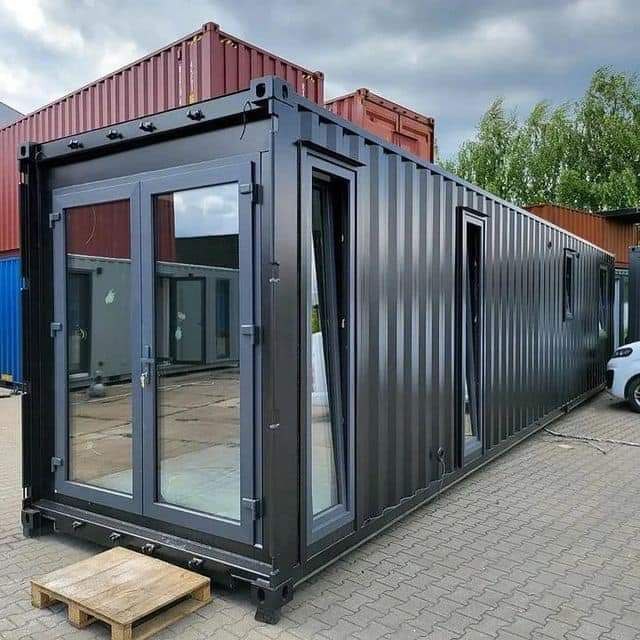
The residential real estate market is changing rapidly. For decades, building a custom house traditionally meant dealing with unpredictable construction schedules, changing material prices, weather interruptions, and varying labor quality. Today, more buyers, developers, and landowners are exploring factory-built homes as an alternative to conventional construction.
Modern prefabrication combines industrial construction with residential architecture. However, purchasing or developing a prefab property requires careful planning. Buyers need to consider building codes, zoning requirements, transportation, site preparation, utility connections, and the total project budget.
## Understanding Prefabricated Homes
The term factory-built home covers several different construction methods. The primary categories include modular homes, manufactured homes, and panelized or kit homes.
Understanding the differences between these options can help buyers choose a structure that matches their property, budget, and intended use.
### Modular Homes
factory-built modular homes are constructed in large sections inside a controlled factory environment.
The modules can include plumbing, electrical systems, insulation, cabinetry, and other components before they leave the manufacturing facility. Once transported to the property, the sections are positioned using a crane and installed on a permanent foundation.
A major advantage of modular construction is that these homes are designed to meet applicable local and regional building requirements. This makes them suitable for many residential developments where conventional building standards apply.
### Manufactured Homes
Manufactured homes are another category of factory-built housing. Unlike modular homes, manufactured homes are generally click here constructed on a permanent structural steel chassis and follow federal HUD construction standards in the United States.
They can provide a lower-cost housing solution, although zoning, financing, and placement requirements can differ considerably depending on the location.
### Panelized and Kit Homes
Panelized homes use factory-produced wall panels, floor systems, and structural components rather than transporting complete rooms.
This approach can be particularly useful for remote properties, because flat-packed components may be easier to transport than large volumetric modules.
However, panelized construction normally requires more work to be completed at the property by local contractors.
## Advantages of Factory Construction
One of the major benefits of factory construction is that manufacturing can take place inside a controlled environment.
Instead of exposing building materials to changing outdoor conditions, manufacturers can use organized production processes, standardized measurements, and controlled storage.
### Faster Construction
Traditional construction can experience delays caused by rain, extreme temperatures, material shortages, or scheduling problems.
Factory production allows manufacturing work to continue while the property is being prepared.
For example, while a local contractor is working on excavation, grading, utilities, or the foundation, the factory can simultaneously construct portions of the building.
This simultaneous construction process can reduce the overall project timeline.
### Controlled Material Conditions
Materials stored and assembled indoors have less exposure to rain, moisture, and other environmental conditions.
Controlled storage can help protect building materials before installation and provide manufacturers with a more consistent production environment.
### Precision Manufacturing
Factory construction can utilize computer-guided cutting and specialized assembly stations.
Consistent measurements can help manufacturers produce components that fit together accurately during final installation.
When combined with appropriate insulation, this type of construction can contribute to an efficient building envelope.
## Understanding the True Cost of a Prefab Home
One of the biggest mistakes buyers make is looking only at the manufacturer's advertised base price.
The factory price may represent only one portion of the total project.
A complete budget can include:
* Factory construction
* Land purchase
* Site preparation
* Excavation
* Foundation work
* Utility installation
* Permits
* Transportation
* Crane services
* Local contractors
* Interior finishing
* Final inspections
### Factory Price
The manufacturer's starting price generally covers the primary structure and selected standard features.
Depending on the manufacturer and model, this can include framing, flooring, roofing, siding, windows, doors, insulation, plumbing components, and electrical systems.
Buyers should always request a detailed specification sheet so they understand exactly what is included.
### Land and Site Preparation
The property itself may require significant preparation before the structure can arrive.
Potential expenses include:
* Land clearing
* Tree removal
* Excavation
* Grading
* Drainage
* Soil testing
* Foundation construction
The cost can vary considerably depending on terrain, accessibility, soil conditions, and local requirements.
### Utilities
A finished home also needs access to essential utilities.
Depending on the property, this may involve private wells, septic systems, electrical service, natural gas, internet infrastructure, or other utility installations.
Rural properties can require substantially more infrastructure work than developed residential lots.
### Transportation and Installation
Large factory-built structures require specialized transportation.
Shipping costs can depend on the distance between the manufacturer and the building site, the dimensions of the structure, highway requirements, permits, and other logistical considerations.
Once the modules reach the property, a crane and installation crew may be required to position the structure and complete the final connections.
## Shipping Containers as an Alternative Building Solution
Prefabricated construction is not limited to traditional residential modules.
steel shipping containers are increasingly being used for alternative building projects, storage facilities, offices, cabins, workshops, pools, and modern architectural developments.
Shipping containers are constructed from durable steel and are designed for demanding transportation environments.
Their strong structure makes them an interesting option for buyers looking for durable storage.
For developers and property owners exploring this type of project, finding a reliable container supplier is an important part of the planning process.
If you are researching available container options, you can explore new and used shipping containers at:
https://megacontainersusa.com/shipping-containers-for-sale/
## Why Shipping Containers Are Popular
Shipping containers offer several characteristics that make them attractive for alternative construction.
### Durable Steel Construction
Most standard shipping containers are manufactured from heavy-duty steel designed to withstand transportation and stacking.
This makes them suitable for applications where durability and structural strength are important considerations.
### Multiple Applications
Containers can be modified for many purposes.
Common applications include:
* Storage units
* Workshops
* Construction offices
* Backyard offices
* Retail spaces
* Cabins
* Agricultural storage
* Pool projects
* Modular structures
### Flexible Configurations
Multiple containers can sometimes be combined to create larger spaces.
Depending on the project, containers can be modified with doors, windows, insulation, electrical systems, flooring, ventilation, and other components.
However, modifications should be planned with appropriate engineering and local building requirements in mind.
## Important Due Diligence Before Buying
Whether you are purchasing a prefab home or researching steel containers for sale, due diligence is essential.
### Check Local Zoning Requirements
Before purchasing land or ordering a structure, check local zoning and building requirements.
Some jurisdictions may restrict certain types of manufactured housing or require specific standards for permanent structures.
### Understand Financing
Financing options can vary depending on the type of property and construction.
Buyers should speak with lenders early in the process to determine which financing products are available for their particular project.
### Evaluate Transportation
Transportation can become a significant part of the overall cost.
Before ordering a large prefab structure or container, determine whether the delivery route can accommodate the dimensions and weight of the shipment.
Check:
* Road access
* Property entrances
* Overhead clearance
* Turning areas
* Delivery equipment
* Local permits
* Installation requirements
### Inspect the Supplier
Research the manufacturer or distributor before placing an order.
Look for clear product specifications, transparent pricing, delivery information, warranty details, and customer support.
For container purchases, buyers should also confirm the container's condition, dimensions, specifications, and intended application.
## Prefab Homes and Containers: Planning for the Future
Factory-built construction and alternative building systems provide property owners with additional options beyond conventional construction.
Prefab homes can provide a controlled manufacturing environment, while shipping containers can offer a durable foundation for storage and alternative construction projects.
The right choice depends on the intended use, property conditions, local regulations, transportation requirements, and available budget.
## Final Thoughts
The future of construction is increasingly incorporating modular building methods and alternative structures.
Successful projects begin with careful planning rather than simply choosing the lowest advertised price.
Before purchasing, evaluate the complete project cost, verify zoning requirements, understand transportation logistics, and research the supplier.
For buyers exploring alternative construction or storage solutions, researching reliable cargo containers can be an important first step toward developing a practical and durable property solution.
Report this wiki page